
How to research with Perplexity in 2026: Deep Research workflows that produce artifacts, the free Comet browser, and the verification discipline needed.
Perplexity is the best research front-end in 2026 — and the free Comet browser made it ambient. But the single most important thing to internalize: even the most accurate AI search engine misattributes sources at a measurable rate (Perplexity's citation-failure rate was 37% in Columbia's Tow Center audit — the lowest of any AI search engine). Great research with Perplexity = great retrieval plus disciplined verification. This guide covers both halves.
Ask like a researcher, not a searcher. Perplexity rewards specificity and framing: "what changed in EU AI Act compliance deadlines in 2026, and which obligations moved" beats "EU AI Act."
Use Focus modes deliberately — Academic for peer-reviewed sources, Web for currency, Social for sentiment. The default is fine for orientation; focused runs are how you get usable citations.
Follow the thread. Perplexity's follow-ups keep context. Three sharpening questions beat one perfect prompt — that's the whole interaction model.
Deep Research plans, searches, reads dozens of sources and synthesizes — and in 2026 it outputs artifacts: presentations, spreadsheets, dashboards, even working webpages, running on frontier models for Pro/Max (20 runs/day on Pro).
Prompt it like a brief, not a question:
"Research the 2026 enterprise AI adoption landscape. Cover: adoption rates by company size, ROI data with methodology notes, and top cited barriers. Prefer 2026 sources; flag where surveys disagree. Output: a structured report with a comparison table."
Three things that consistently improve results: name the sources you trust, ask it to flag disagreement between sources, and specify the output shape up front.
Comet went free worldwide on all platforms in March 2026, which changed research from "go to a site and ask" to "research where you already are":
Security note: an agentic browser reading untrusted pages is precisely the prompt-injection surface of 2026. Keep agent permissions minimal on unfamiliar sites.
The 37% figure is the reason this section exists. Rules that scale:
Perplexity is the front-end, not the whole system:
Columbia Journalism Review's Tow Center audit measured citation failure across AI search engines:
| Platform | Citation-failure rate |
|---|---|
| Perplexity (Sonar Pro) | 37% — lowest measured |
| ChatGPT Search | 67% |
| Grok 3 | 94% |
Best in class, and still wrong on more than one citation in three. That single number justifies every verification habit in this guide.
An independent analysis put Perplexity Deep Research at 92.3% citation accuracy versus 87.6% for ChatGPT's equivalent — a very different figure from 37%. The reason is structural: the CJR audit tests fast single-pass answers; Deep Research runs a multi-step verification loop.
The practical implication: for anything that matters, use Deep Research rather than a quick query. The mode you choose changes your error rate more than the vendor does.
Citation chains. A statistic whose source is another AI summary looks corroborated and isn't. Trace to a primary source or drop the number — this is where careful researchers still get burned in 2026.
Free now includes full Comet plus core answers — enough for casual research. Pro ($20/month) adds the Deep Research allowance and frontier-model backing; worth it the week you run more than a couple of serious investigations. Max adds browser-agent model choice for power users.
Sources: Deepak Gupta's research-tool comparison (Tow Center data) · CNBC on Comet going free · 9to5Mac on the iOS/iPad builds · Beginners in AI 2026 feature roundup
Last updated: July 29, 2026
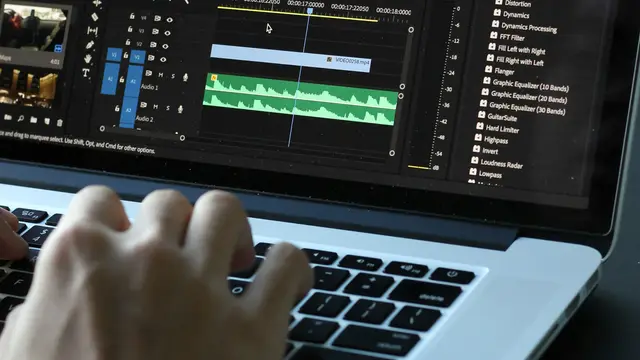
How to produce AI video in 2026: picking a model per shot, prompting for motion, keyframe workflows, real cost math, artifact fixes and Sora migration.

The 2026 automation guide: how Zapier, Make and n8n differ on pricing model, AI agents and self-hosting — plus when a workspace agent beats all three.

Prompt engineering for 2026: why leaner prompts score 10–15% higher, what reasoning modes made obsolete, the five patterns that survived, and agent specs.
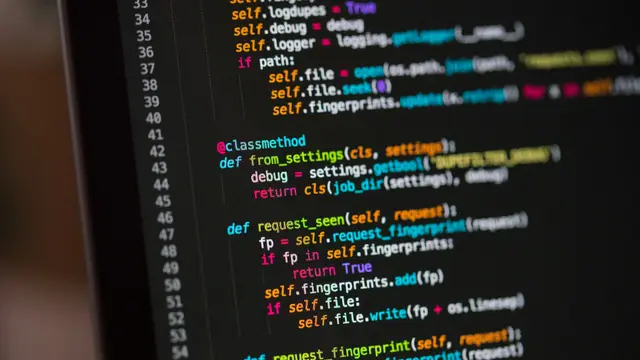
The 2026 playbook for coding with Claude: lean CLAUDE.md, plan-first workflows, subagents, parallel worktrees, hooks, and verification loops that work.
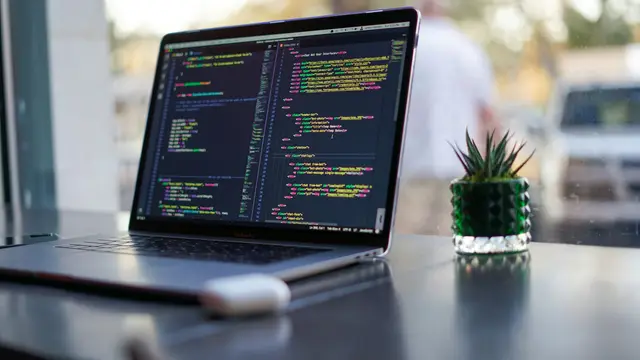
A working guide to Copilot in 2026: Agent Mode setup, auto-approve policy, agentic review, cost discipline, and the habits that make agents net-positive.

The current Midjourney guide: prompt structure, every parameter that matters, personalization training, the 4× GPU trap, video mode, and a working loop.

The complete V7 tutorial — parameters, prompting patterns and workflows from Midjourney's 2025 generation — with a full migration map to today's V8.2.

A practical guide to Notion AI: setting up Custom Agents on schedules, writing Skills, managing credits, and the workspace hygiene that makes it work.
