
The 2026 research stack tested: Perplexity's cited deep research, Elicit's literature reviews, Consensus's evidence meter — and how to combine all three.
Three tools split the serious research market by job: Perplexity for cited, current, general-purpose deep research; Elicit for systematic literature review and structured data extraction from papers; Consensus for direct evidence-based answers from 200M+ scientific papers. They're complements, not competitors — the strongest 2026 workflow uses all three, with NotebookLM as the source-grounded notebook layer.
The general-purpose pick, and the one with receipts. Columbia Journalism Review's Tow Center audit measured citation failure across AI search engines:
| Platform | Citation-failure rate |
|---|---|
| Perplexity (Sonar Pro) | 37% — lowest measured |
| ChatGPT Search | 67% |
| Grok 3 | 94% |
Sobering number, best in class. Treat every AI citation as a lead to verify, and prefer the tool that's wrong least often.
An independent analysis put Perplexity Deep Research at 92.3% citation accuracy versus 87.6% for ChatGPT's equivalent — a very different picture from the 37% figure above. The reason: the CJR audit tests fast single-pass answers, while Deep Research runs a multi-step verification loop. The mode you use changes your error rate more than the vendor you choose does.
The 2026 upgrades moved it from answers to artifacts: Deep Research (20 runs/day on Pro, $20/month) plans, reads dozens of sources, and outputs reports — now even presentations, spreadsheets and dashboards — running on frontier models (Claude Opus-class for Pro/Max). The Comet browser going free worldwide makes the zero-cost tier genuinely useful for daily research.
Best for: current-events synthesis, market/competitive research, any question where sources live on the open web. Full workflows in our Perplexity research guide.
Purpose-built for the work that eats research careers: systematic reviews. Point it at a question and it finds papers, extracts structured data across them (populations, methods, effect sizes, limitations) into comparable tables, and surfaces what a paper-by-paper manual pass would take days to see.
Best for: academics, medical/evidence teams, anyone whose deliverable cites a body of literature rather than a handful of links. Not the tool for open-web questions — that's Perplexity's lane.
The narrowest and most trustworthy job: ask a specific empirical question ("does X improve Y?"), get an answer synthesized strictly from peer-reviewed literature (200M+ papers), with the Consensus Meter showing how strongly the field agrees. Pro dropped to $10/month in June 2026 — the cheapest serious tool in the stack.
Best for: settling empirical questions fast, sanity-checking claims before they enter your work, health/science questions where "some blog said" isn't acceptable.
Broad, verify, deep, grounded. Reversing any two steps wastes work: going deep before verifying means extracting structure from papers the field has moved past; grounding before going deep means your notebook is missing the sources that mattered.
The whole stack — Perplexity Pro at $20, Consensus Pro at $10, Elicit's paid tier, NotebookLM free in Gemini — costs less than one legacy academic database seat, which is the comparison that actually decides budgets in research organizations.
Anything you'd be embarrassed to be wrong about in public gets clicked through. Anything you're using only to orient yourself doesn't. Most research is the second category, which is why these tools work despite a 37% citation-failure rate on fast answers.
Open the source. Confirm the claim appears in it. Confirm the source is what the citation says it is. In that order — the second check catches paraphrase drift and the third catches fabricated references, and they fail differently.
Quoting a statistic whose original source is another AI summary. Chains of AI citations look like corroboration and are actually one unverified claim repeated. Trace to a primary source or don't use the number.
Sources: Deepak Gupta's five-tool comparison · AIToolsFor three-way test · Iatrox medical-research review · AITrove comparison · The AI Rankings deep-research tests
Last updated: July 29, 2026
The 2026 audio stack by job: ElevenLabs for voice, Descript for edit-by-transcript production, Suno for music, plus realtime voice APIs and picks.
The 2026 AI coding landscape with real numbers: Codex's 5M weekly users, Claude Code's $2.5B run-rate, Copilot's 42% share — and why most teams buy two.
AI support in 2026: Intercom Fin's AI-first model, Zendesk's ticket-first depth, real per-resolution pricing math, and how to pick for your team.
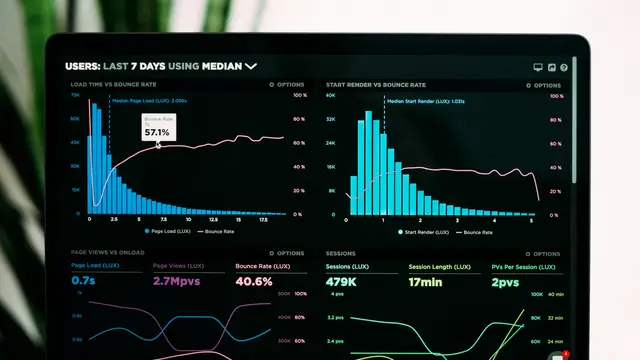
The 2026 data stack: ChatGPT's Python-running analysis, Julius for analytics-native work, Hex and Deepnote for teams, and why BI still wins its lane.

AI design in 2026: Canva's Magic Studio for non-designers, Figma's maturing AI layer, Adobe Firefly's commercial-safety lane, and what 72% use changed.
The 2026 image field ranked: Midjourney V8.2's aesthetic lead, GPT Image 2's all-round strength, open-weight Flux 2, Imagen 3 and Firefly's safety lane.
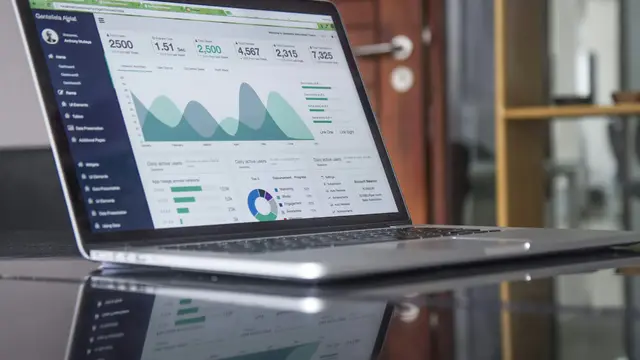
The 2026 marketing stack: where Jasper's Brand Voice earns its price, HubSpot Breeze's CRM advantage, Copy.ai's GTM automation, and the volume test.

The 2026 stack: Notion's context-rich agents, Motion's autonomous scheduling, NotebookLM's grounded research, and why agentic stopped being a buzzword.
