
The 2026 data stack: ChatGPT's Python-running analysis, Julius for analytics-native work, Hex and Deepnote for teams, and why BI still wins its lane.
AI data tools and BI platforms solve different problems. BI (Tableau, Power BI, Looker) is built for recurring, structured reporting — known questions, governed metrics, dashboards people check. AI analysis tools are built for ad-hoc exploration — questions you didn't know you had, one-off CSVs, "what's going on here?"
Most organizations need both. Buying one to replace the other is the expensive mistake of 2026.
The generalist's pick: upload a CSV, ask questions, get charts — and crucially, it runs actual Python, so the numbers come from computation rather than pattern-matching. Best when analysis is one step in a larger workflow you're already running in ChatGPT (memory helps here — it remembers your data conventions).
Strength: versatility and compute. Weakness: not analytics-native — no persistent project structure, limited data sizes.
More analytics-focused than a general assistant: natural-language driven analysis with a workflow built around datasets rather than conversations. Teams that do this daily tend to prefer it over ChatGPT for the same reason analysts prefer notebooks over chat — the tool remembers the shape of the work.
Strength: purpose-built flow. Weakness: narrower than a general assistant when the task drifts outside data.
A pattern worth naming: many practitioners run ChatGPT/Julius for computation and Claude for interpretation — the calculation in one tool, the narrative and caveats in another (Claude's analytical writing edge is real). Two subscriptions, complementary jobs.
Hex and Deepnote brought AI into collaborative notebooks — SQL + Python + AI assistance with version control and sharing. This is where serious teams land when ad-hoc chat analysis outgrows itself but a full BI deployment is overkill.
Tableau (with Pulse) and DataRobot remain the leaders for governed analytics at scale: metric definitions everyone trusts, scheduled distribution, row-level security, audit trails. AI features layered on top (natural-language querying, anomaly digests) are genuinely useful — but the product you're buying is governance, which chat tools structurally cannot provide.
| Your question | Tool |
|---|---|
| "What happened to revenue last week?" (recurring) | BI dashboard |
| "Why did this cohort churn?" (one-off, exploratory) | ChatGPT ADA / Julius |
| "Can the team reproduce and extend this analysis?" | Hex / Deepnote |
| "Can 500 people trust this number?" | BI, with governed metrics |
| "Here's a messy CSV a vendor sent" | ChatGPT ADA (Python does the cleaning) |
Every tool here runs on a frontier model, and the prices changed sharply: GPT-5.6 shipped July 9 as Sol $5/$30, Terra $2.50/$15, Luna $1/$6 — then Luna was cut 80% and Terra 20% on July 30. Gemini 3.6 Flash sits at $1.50/$7.50 with a 1,048,576-token context window.
A million-token window means loading a full schema, a data dictionary and a large sample in one call rather than chunking. For exploratory analysis on unfamiliar data, that changes what's possible in a single session more than any model-quality difference does.
At current API prices, a script that calls a model directly is a credible alternative to a $45/month analysis product for anyone comfortable writing one. The products still win on interface, chart rendering and not having to think about it — but the gap narrowed enough to be worth pricing.
The category matured in the least glamorous way possible: the hype about AI replacing analysts faded, and what remains is a genuinely useful exploration layer sitting beside — not on top of — the reporting stack. That's also the broader enterprise-AI pattern: the wins are specific, measurable, and less dramatic than the pitch.
Sources: Dupple's tested rankings · Databox tool roundup · Deepak Gupta's five-tool comparison · BuildMVPFast July snapshot
Last updated: July 29, 2026
The 2026 audio stack by job: ElevenLabs for voice, Descript for edit-by-transcript production, Suno for music, plus realtime voice APIs and picks.

The 2026 AI coding landscape with real numbers: Codex's 5M weekly users, Claude Code's $2.5B run-rate, Copilot's 42% share — and why most teams buy two.

AI support in 2026: Intercom Fin's AI-first model, Zendesk's ticket-first depth, real per-resolution pricing math, and how to pick for your team.

AI design in 2026: Canva's Magic Studio for non-designers, Figma's maturing AI layer, Adobe Firefly's commercial-safety lane, and what 72% use changed.

The 2026 image field ranked: Midjourney V8.2's aesthetic lead, GPT Image 2's all-round strength, open-weight Flux 2, Imagen 3 and Firefly's safety lane.
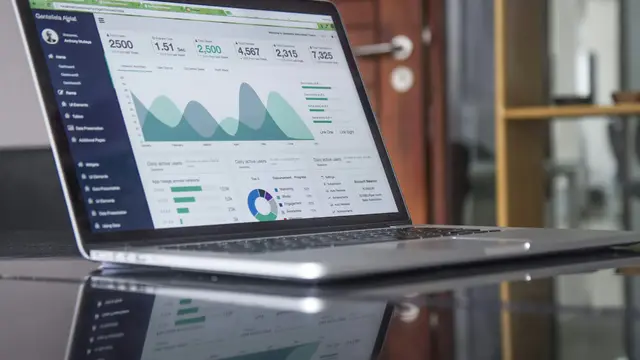
The 2026 marketing stack: where Jasper's Brand Voice earns its price, HubSpot Breeze's CRM advantage, Copy.ai's GTM automation, and the volume test.

The 2026 stack: Notion's context-rich agents, Motion's autonomous scheduling, NotebookLM's grounded research, and why agentic stopped being a buzzword.

The 2026 research stack tested: Perplexity's cited deep research, Elicit's literature reviews, Consensus's evidence meter — and how to combine all three.
