
The 2026 audio stack by job: ElevenLabs for voice, Descript for edit-by-transcript production, Suno for music, plus realtime voice APIs and picks.
| Job | Pick | Why |
|---|---|---|
| Voiceover & cloning | ElevenLabs | Still the quality bar for synthetic voice |
| Podcast/video production | Descript | Edit audio by editing the transcript |
| Music & song generation | Suno (v5.5) | Composition-grade output — full comparison |
| Realtime voice in apps | GPT Realtime-class APIs | The 2026 conversational standard |
| Meetings & transcription | Fireflies / platform-native | Commoditized — pick what integrates |
ElevenLabs remains the reference for text-to-speech and voice cloning in 2026: naturalness under long passages, emotion control, and a multilingual range competitors still chase. The practical differentiator hasn't changed — consistency: long-form narration holds character without the drift that budget alternatives show after a few paragraphs.
Watch the terms, not just the demos: voice cloning sits in the same consent-and-rights current reshaping AI music — clone only voices you have rights to, and keep provenance records if output ships commercially. With deepfake fraud attempts up over 2,000% in three years, expect verification requirements to tighten, not loosen.
Cost scales with volume in a way that surprises teams doing localization at scale, and the quality lead over the next tier has narrowed. For high-volume, low-stakes narration, cheaper options are now defensible; for anything a customer hears as your brand voice, the consistency premium still holds.
Descript's bet — audio editing as document editing — is now the default mental model for podcast and video post-production: cut filler words in bulk, rearrange by dragging paragraphs, overdub corrections in the speaker's cloned voice instead of re-recording. Studio-grade polish still ends in a DAW; speed belongs to transcript-first tools.
A DAW. Descript wins on speed to a good-enough cut; final mix, mastering and anything with musical timing still ends elsewhere. Teams that try to make it the only tool end up fighting it at exactly the wrong stage.
Composition-grade generation is a two-horse race between Suno and Udio, now dominated by licensing-era rules (free-tier commercial use is ending; unlicensed models face deprecation). For creation workflows, our Suno tutorial covers the current v5.5 toolset.
| Platform | Free | Paid |
|---|---|---|
| Suno | 50 credits/day | Pro ~$10/mo · Premier ~$30/mo (Studio) |
| Udio | Trial credits | ~$10/mo |
| AIVA | Limited | Pro tiers include full copyright ownership |
At ~$10/month across the board, the differentiator is rights, not price. AIVA's copyright position is the cleanest for client and commercial work.
Free-tier output is barred from commercial use under the new licensing terms. If music ships in anything monetized, you need a paid tier and a record of which model produced it. Full legal landscape →
Conversational voice matured into infrastructure in 2026: GPT Realtime-class APIs power everything from Perplexity's Comet voice mode to customer-service phone agents (Fin and peers). If you're building voice into a product, the buy-over-build math is now decisive — latency and interruption-handling took years of specialist work that the API layer simply includes.
Interruption handling and sub-second turn-taking took years of specialist work. That's the part the API layer includes and the part a from-scratch build reliably underestimates.
Accurate transcription stopped being a purchasing decision: meeting tools (Fireflies et al.), editors (Descript), and platform-natives all deliver usable accuracy. Choose by where the transcript needs to land (CRM, docs, edit timeline), not by WER decimals.
Domain vocabulary. Medical, legal and technical transcription still separates the tools — if your content is dense with terms of art, test on your own audio before committing.
Voice synthesis scales with output volume; production tools scale with seats; music scales with generations. Most audio-stack overspend comes from putting a per-volume tool where a per-seat tool would do — check which axis each line item bills on before scaling anything up.
Sources: Helply audio-stack review · TechJack Suno guide · 9to5Mac on Comet voice · Billboard licensing coverage
Last updated: July 29, 2026
The 2026 AI coding landscape with real numbers: Codex's 5M weekly users, Claude Code's $2.5B run-rate, Copilot's 42% share — and why most teams buy two.

AI support in 2026: Intercom Fin's AI-first model, Zendesk's ticket-first depth, real per-resolution pricing math, and how to pick for your team.
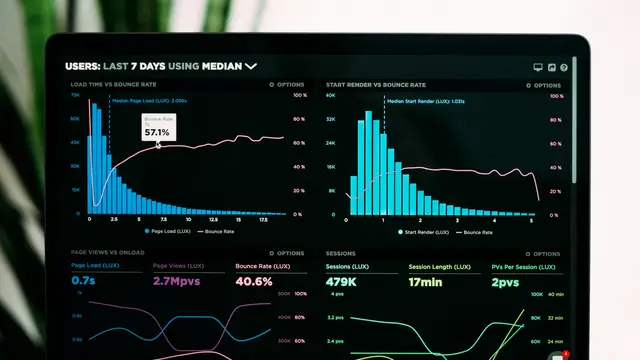
The 2026 data stack: ChatGPT's Python-running analysis, Julius for analytics-native work, Hex and Deepnote for teams, and why BI still wins its lane.

AI design in 2026: Canva's Magic Studio for non-designers, Figma's maturing AI layer, Adobe Firefly's commercial-safety lane, and what 72% use changed.
The 2026 image field ranked: Midjourney V8.2's aesthetic lead, GPT Image 2's all-round strength, open-weight Flux 2, Imagen 3 and Firefly's safety lane.
The 2026 marketing stack: where Jasper's Brand Voice earns its price, HubSpot Breeze's CRM advantage, Copy.ai's GTM automation, and the volume test.

The 2026 stack: Notion's context-rich agents, Motion's autonomous scheduling, NotebookLM's grounded research, and why agentic stopped being a buzzword.

The 2026 research stack tested: Perplexity's cited deep research, Elicit's literature reviews, Consensus's evidence meter — and how to combine all three.
