
A practical guide to Notion AI: setting up Custom Agents on schedules, writing Skills, managing credits, and the workspace hygiene that makes it work.

The 2026 image field ranked: Midjourney V8.2's aesthetic lead, GPT Image 2's all-round strength, open-weight Flux 2, Imagen 3 and Firefly's safety lane.

How to research with Perplexity in 2026: Deep Research workflows that produce artifacts, the free Comet browser, and the verification discipline needed.
Midjourney's 2026 in full: V8 alpha to the V8.2 default, native 2K without upscaling, 50% faster and 25% cheaper renders, and 21-second video.
A practical Suno guide for v5.5: prompting for genre and structure, voice cloning, long tracks — plus the licensing rules that govern commercial use.
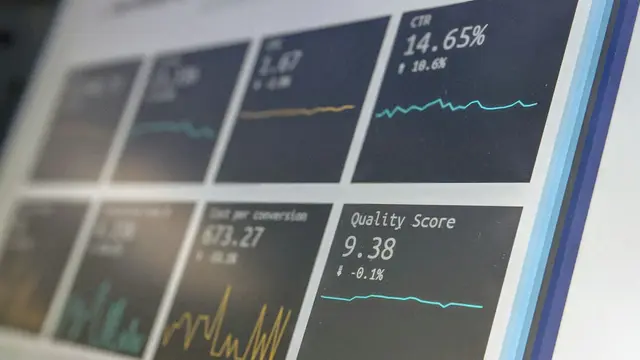
The eight trends defining AI in 2026: the valuation race, release-and-retire models, Sora's retreat, copyright settlements, and regulation's delay.

The 2026 marketing stack: where Jasper's Brand Voice earns its price, HubSpot Breeze's CRM advantage, Copy.ai's GTM automation, and the volume test.
Notion's 2026: autonomous Custom Agents, the credit billing switch on May 4, agents that read your files, 35–50% cheaper runs, and what it costs now.
Gemini 2.5 revisited: the generation where Google's reasoning caught up, and how it reads now that 3.6 Flash sells that capability at $1.50/M input.

The 2026 stack: Notion's context-rich agents, Motion's autonomous scheduling, NotebookLM's grounded research, and why agentic stopped being a buzzword.

Gartner's four AI threats for 2026, prompt-injection attacks up 340%, deepfakes neutralizing biometrics, and a defense playbook for agent deployments.
Midjourney's first video model: what image-to-video delivered at launch, its honest limits, and where it lands in a 2026 market that Sora exited entirely.
