
OpenAI's Agents API makes durable cloud agents easier to build. Here is what changed, what remains unproven, and how to deploy it with control.


How AI reshaped creative work: 86% adoption, design jobs down 17%, the music settlements that set the template, and what courts still haven't settled.

The 2026 data: 88% of students use generative AI, teachers save 5.9 hours weekly — yet only 13% of schools have a formal AI policy. What to do.

The 2026 landscape: the Digital Omnibus deferring high-risk deadlines to 2027, two new EU prohibitions, GPAI supervision, and the US patchwork.
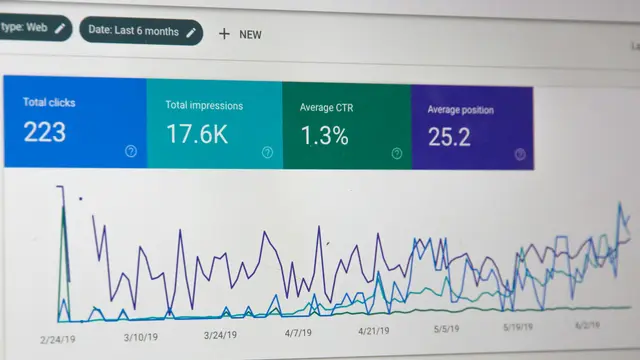
AI in financial services: 90% running AI fraud defenses, 70–80% of US trades executed algorithmically, 52% piloting agentic AI, and the deepfake race.

Expert forecasts for AI by 2030 — AGI timelines, labour-market impact, technological breakthroughs, and the scenarios researchers actually disagree on.
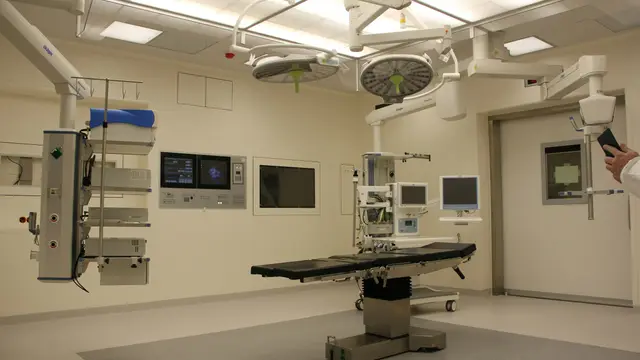
AI in medicine by the numbers: 1,451 FDA-cleared devices, 75% health-system adoption — and the finding that 43% lack clinical validation data.

What 2026 labor data shows: 87,714 AI-attributed cuts in five months, 28,000 monthly declines in tech and finance, and the automation split that matters.
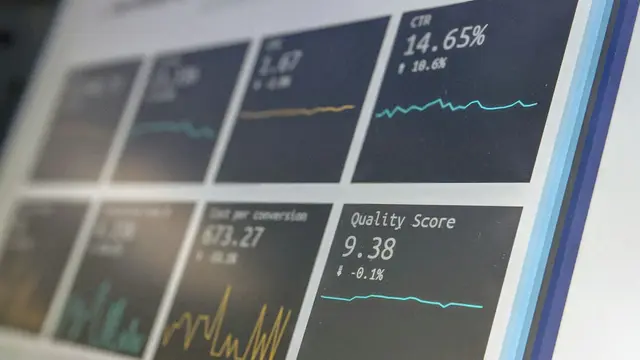
The eight trends defining AI in 2026: the valuation race, release-and-retire models, Sora's retreat, copyright settlements, and regulation's delay.

Gartner's four AI threats for 2026, prompt-injection attacks up 340%, deepfakes neutralizing biometrics, and a defense playbook for agent deployments.

72% of enterprises run AI in production and median ROI hit 2.4x — yet only 39% see EBIT impact. What separates winners from the majority that miss.
