
Expert forecasts for AI by 2030 — AGI timelines, labour-market impact, technological breakthroughs, and the scenarios researchers actually disagree on.
AGI Timeline: 50% chance by 2030 (OpenAI CEO), 10% (cautious experts). Key Prediction: AI becomes "ambient intelligence"—everywhere, always available. Economic Impact: $15-20 trillion added to global economy by 2030. Bottom Line: Transformative decade ahead, but AGI remains uncertain.
Optimistic (Sam Altman, DeepMind): 50% chance by 2030 Cautious (Yann LeCun, Andrew Ng): 10% chance, 2035+ more likely
What AGI Means: AI that matches/exceeds humans across ALL cognitive tasks.
Displaced: 50-75 million jobs globally (customer support, data entry, basic coding, content moderation) Created: 80-100 million new jobs (AI trainers, AI ethicists, robot maintenance, AI-human interface designers) Net Impact: +5 to +25 million jobs, but painful transition
AI Solves Grand Challenges:
Outcome: Humanity thrives, living standards soar globally.
Mixed Progress:
Outcome: Progress with serious challenges requiring policy intervention.
AI Risks Materialize:
Outcome: Dystopian elements emerge; requires urgent global cooperation.
Unexpected Breakthrough or Catastrophe:
Outcome: Unpredictable, transformative in either direction.
"AGI by 2030 is within reach. We'll look back and be shocked how fast it happened."
"AI will solve protein folding completely, revolutionize drug discovery, and extend healthy lifespan 10-20 years by 2030."
"Current approaches won't lead to AGI. We need fundamental breakthroughs. 2040+ is more realistic."
"AI will transform every industry, but it's a tool, not a mind. Focus should be on augmentation, not replacement."
"AI is the biggest risk to civilization. 20% chance AI causes human extinction by 2030."
Consensus: Massive progress certain; AGI timeline disputed.
Result: 4-day workweek, high productivity, more leisure.
Result: Safer work, higher wages, continuous learning.
High Confidence Predictions (90%+):
Medium Confidence (50-70%):
Low Confidence (<50%):
Bottom Line: 2030 will look radically different. AI transforms work, healthcare, education, transportation. Adapt or get left behind.
Report: 2025-10-14 | Sources: OpenAI, DeepMind, McKinsey, Stanford HAI, World Economic Forum

OpenAI's Agents API makes durable cloud agents easier to build. Here is what changed, what remains unproven, and how to deploy it with control.


How AI reshaped creative work: 86% adoption, design jobs down 17%, the music settlements that set the template, and what courts still haven't settled.

The 2026 data: 88% of students use generative AI, teachers save 5.9 hours weekly — yet only 13% of schools have a formal AI policy. What to do.

The 2026 landscape: the Digital Omnibus deferring high-risk deadlines to 2027, two new EU prohibitions, GPAI supervision, and the US patchwork.
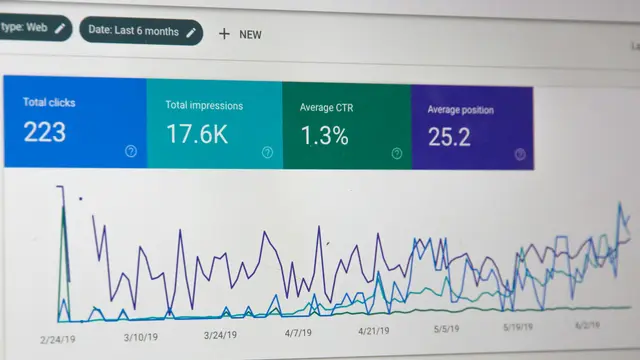
AI in financial services: 90% running AI fraud defenses, 70–80% of US trades executed algorithmically, 52% piloting agentic AI, and the deepfake race.
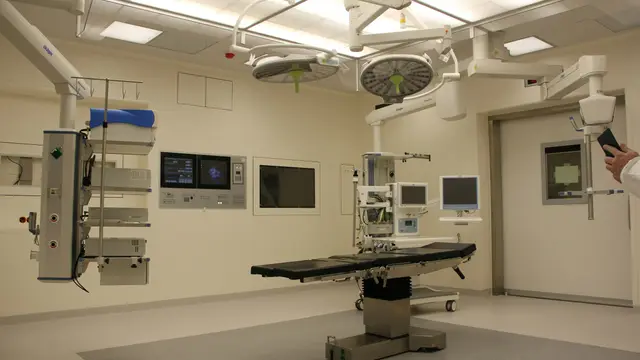
AI in medicine by the numbers: 1,451 FDA-cleared devices, 75% health-system adoption — and the finding that 43% lack clinical validation data.

What 2026 labor data shows: 87,714 AI-attributed cuts in five months, 28,000 monthly declines in tech and finance, and the automation split that matters.

The eight trends defining AI in 2026: the valuation race, release-and-retire models, Sora's retreat, copyright settlements, and regulation's delay.
